
What Homeowners Should Know About Emergency HVAC Repairs
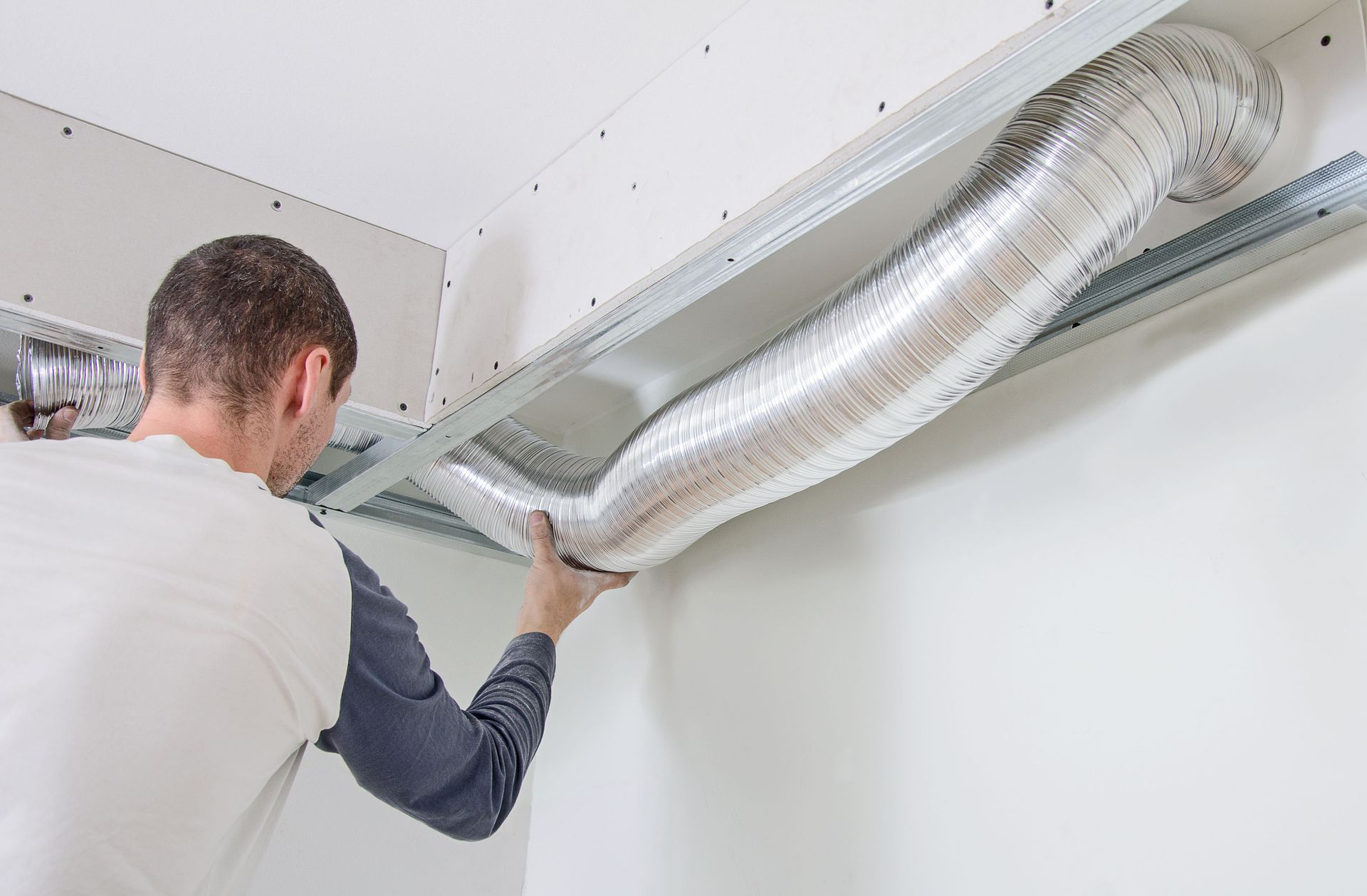
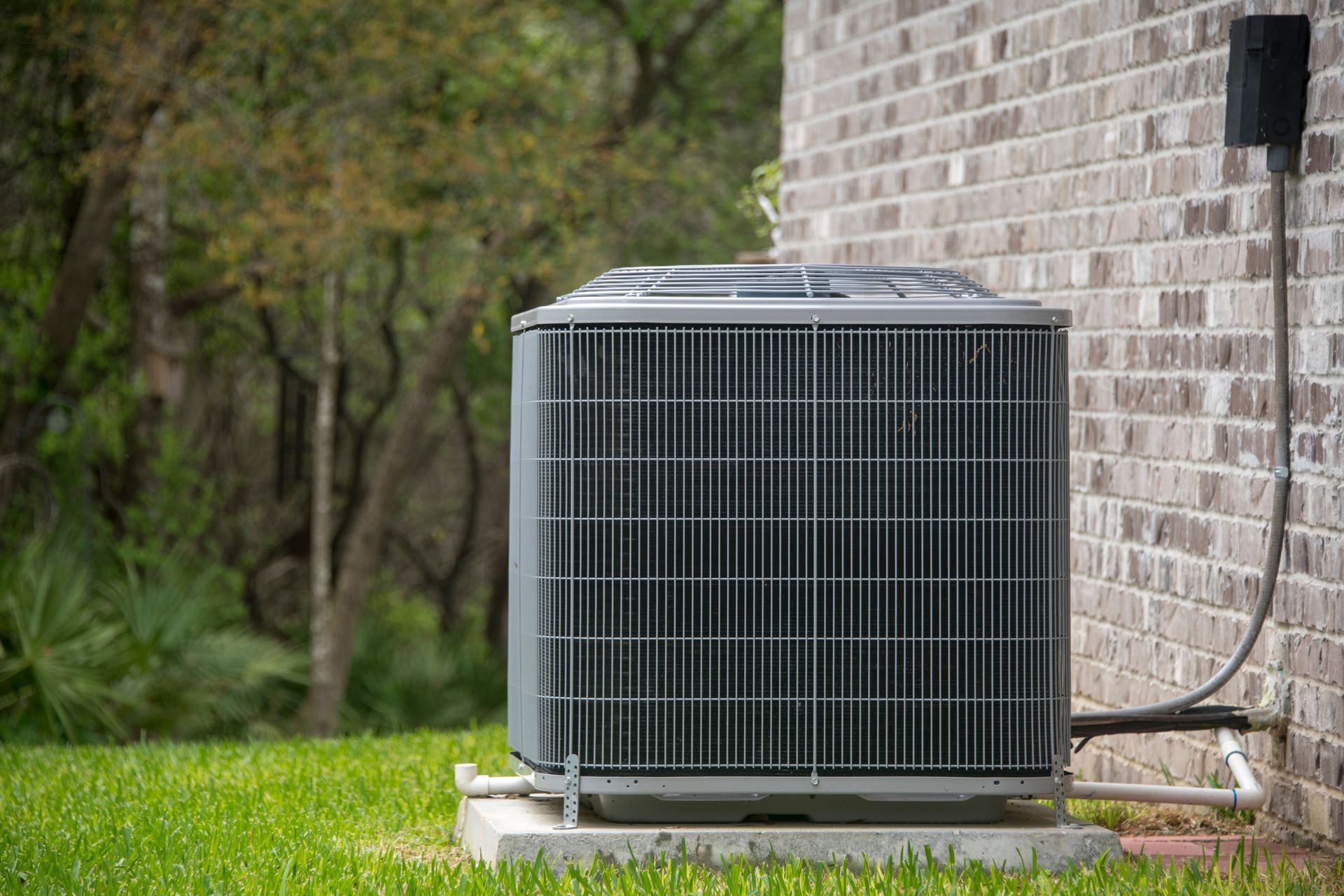
An HVAC system, which stands for Heating, Ventilation, and Air Conditioning, provides thermal comfort and maintains indoor air quality. These systems are essential in modern homes and play a significant role in overall comfort, particularly during extreme weather. The main components include the furnace, air conditioner, ductwork, and thermostat. The furnace and air conditioner regulate temperature, while ductwork distributes air throughout the home. The thermostat serves as the central control. Understanding these components helps homeowners recognize issues early, allowing for timely action to prevent costly failures.
Importance of Regular Maintenance
Routine maintenance is vital to the longevity and efficiency of HVAC systems. According to Today's Homeowner, systems should be inspected at least twice per year. Preventive maintenance can catch minor problems before they escalate into emergencies, reducing the likelihood of unexpected breakdowns. Tasks like cleaning filters, inspecting ductwork, and checking refrigerant levels improve system performance and lower energy costs. By staying proactive with maintenance, homeowners can prevent HVAC repairs and prolong the lifespan of their systems while keeping them operating at peak efficiency.
Regular maintenance also allows homeowners to identify early signs of wear and inefficiency, such as unusual noises, inconsistent temperatures, or higher energy bills. Addressing these warning signs promptly can prevent small issues from developing into costly failures that require extensive HVAC repairs. Additionally, keeping a record of maintenance activities helps contractors understand the system’s history, making future diagnostics faster and more accurate. Partnering with professional technicians for routine service ensures that components are properly inspected, cleaned, and adjusted, ultimately saving homeowners time, money, and stress while maintaining a comfortable living environment.
Identifying an HVAC Emergency
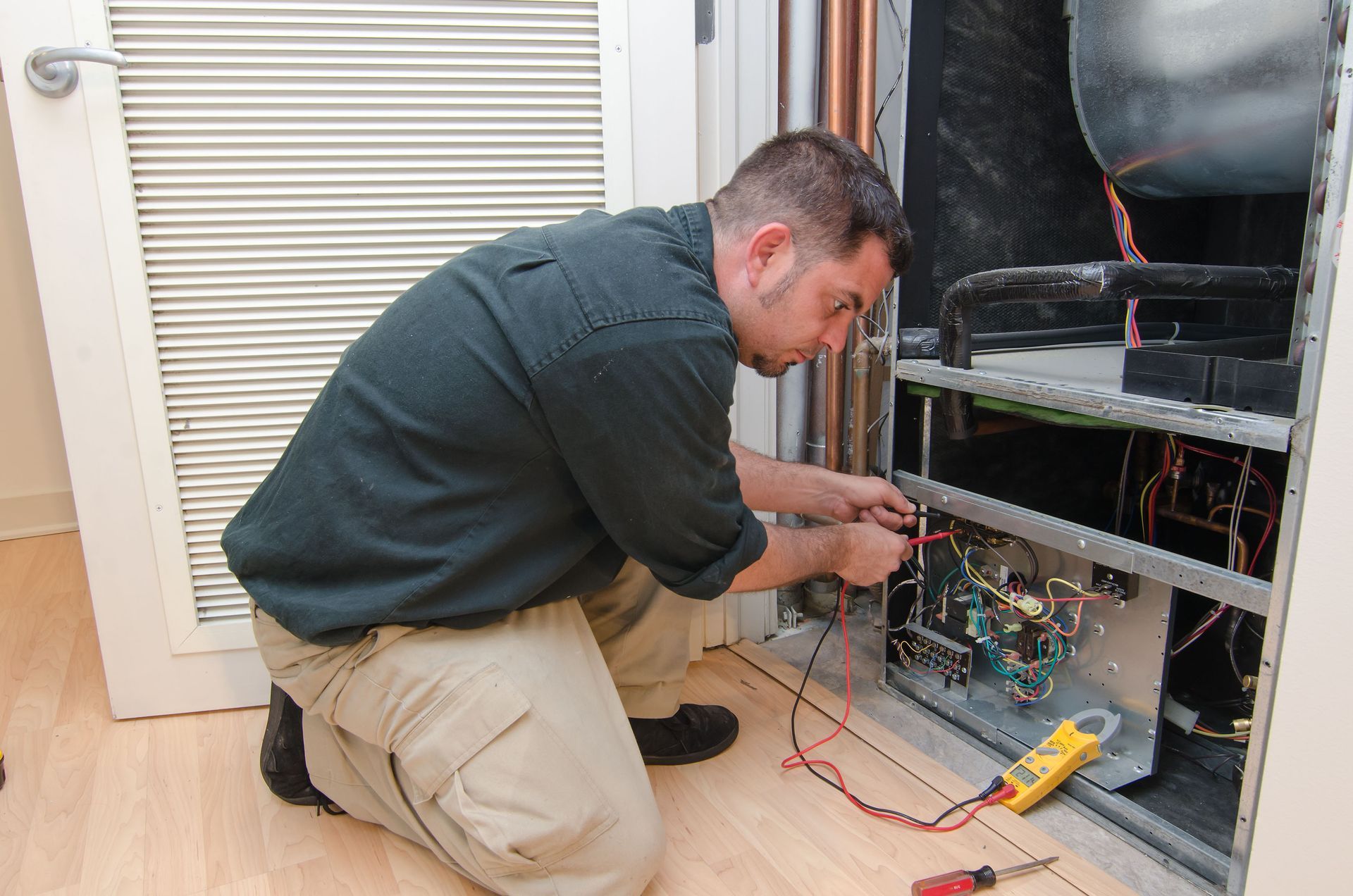
An HVAC emergency typically involves a complete loss of heating or cooling, which can be dangerous during extreme temperatures. Other emergencies may include unusual noises, strange odors, or electrical malfunctions. Common causes include outdated equipment, lack of maintenance, and electrical failures like blown fuses or tripped breakers. Recognizing the signs of a true emergency versus routine issues is crucial. Acting quickly can prevent additional damage and reduce the need for more extensive HVAC repairs in the future.
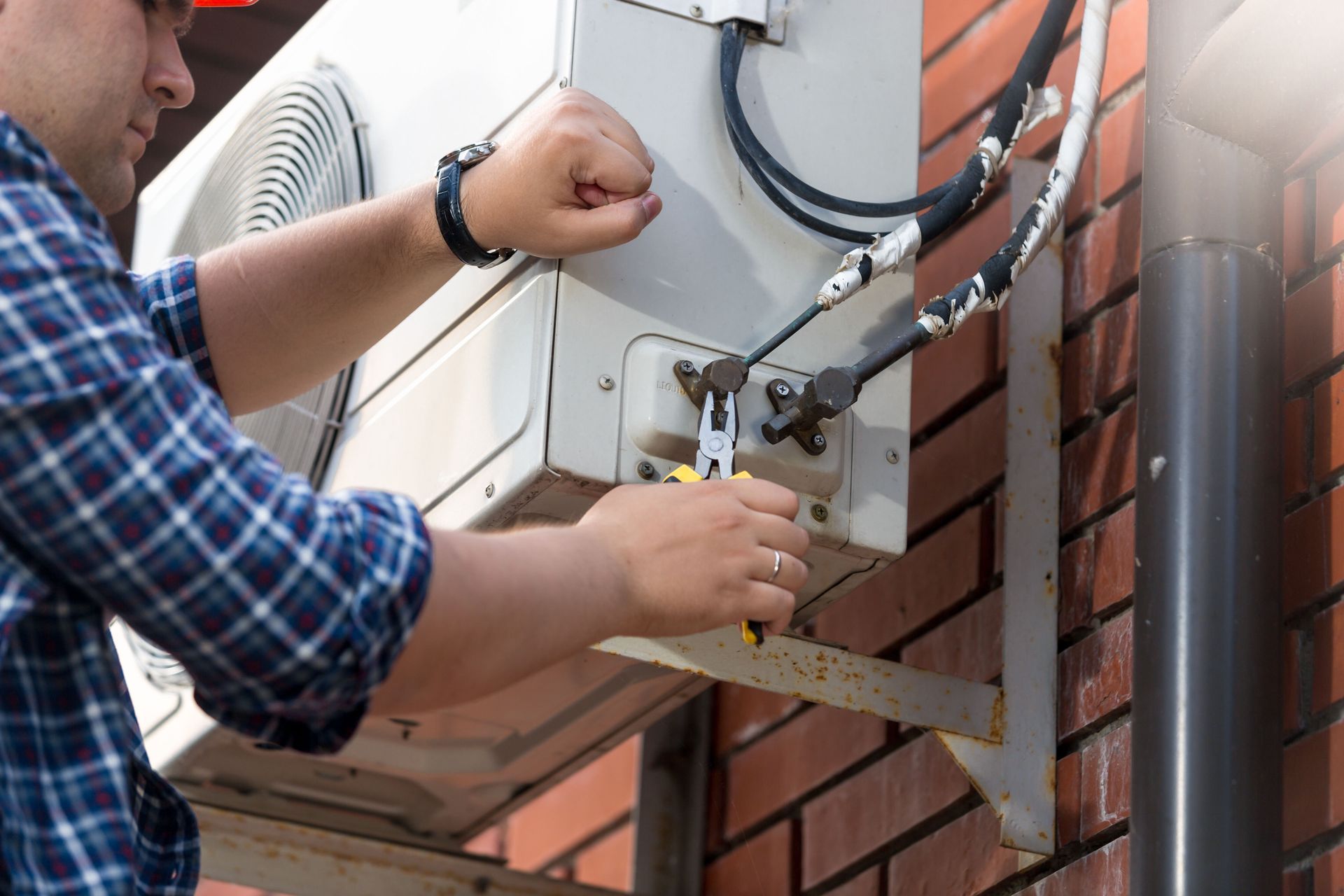
In such emergencies, immediate safety measures are essential. Homeowners should turn off the system and disconnect power at the breaker to prevent further damage or electrical hazards. Ensuring proper ventilation can help clear any unusual odors, which might indicate gas leaks or other hazards. Promptly contacting a licensed HVAC technician ensures that the problem is accurately diagnosed and resolved, minimizing downtime and avoiding more costly repairs. Taking these quick and cautious steps can protect both the home and its occupants while preventing minor issues from escalating into major HVAC repairs.
DIY Troubleshooting Before Calling a Professional
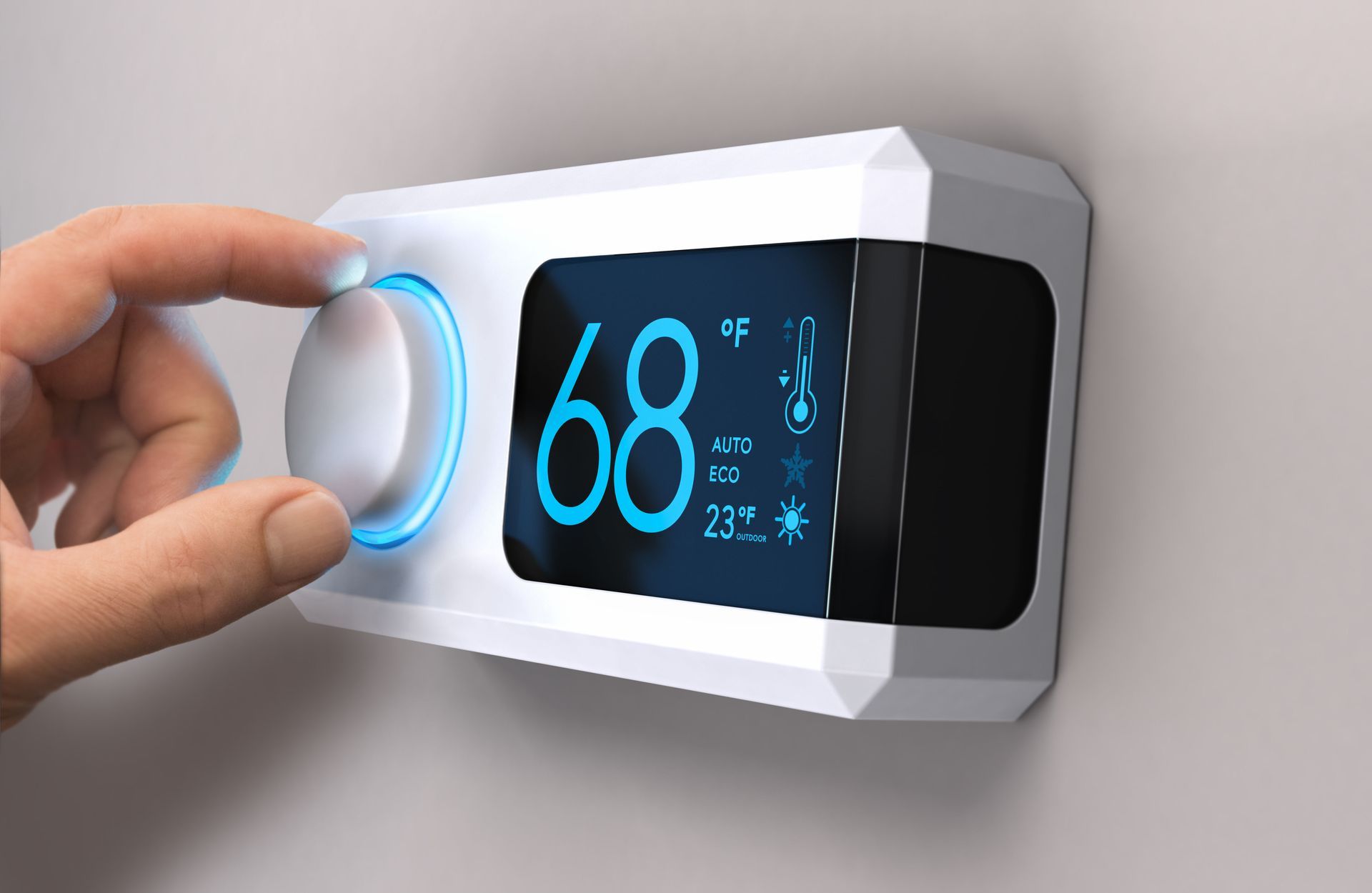
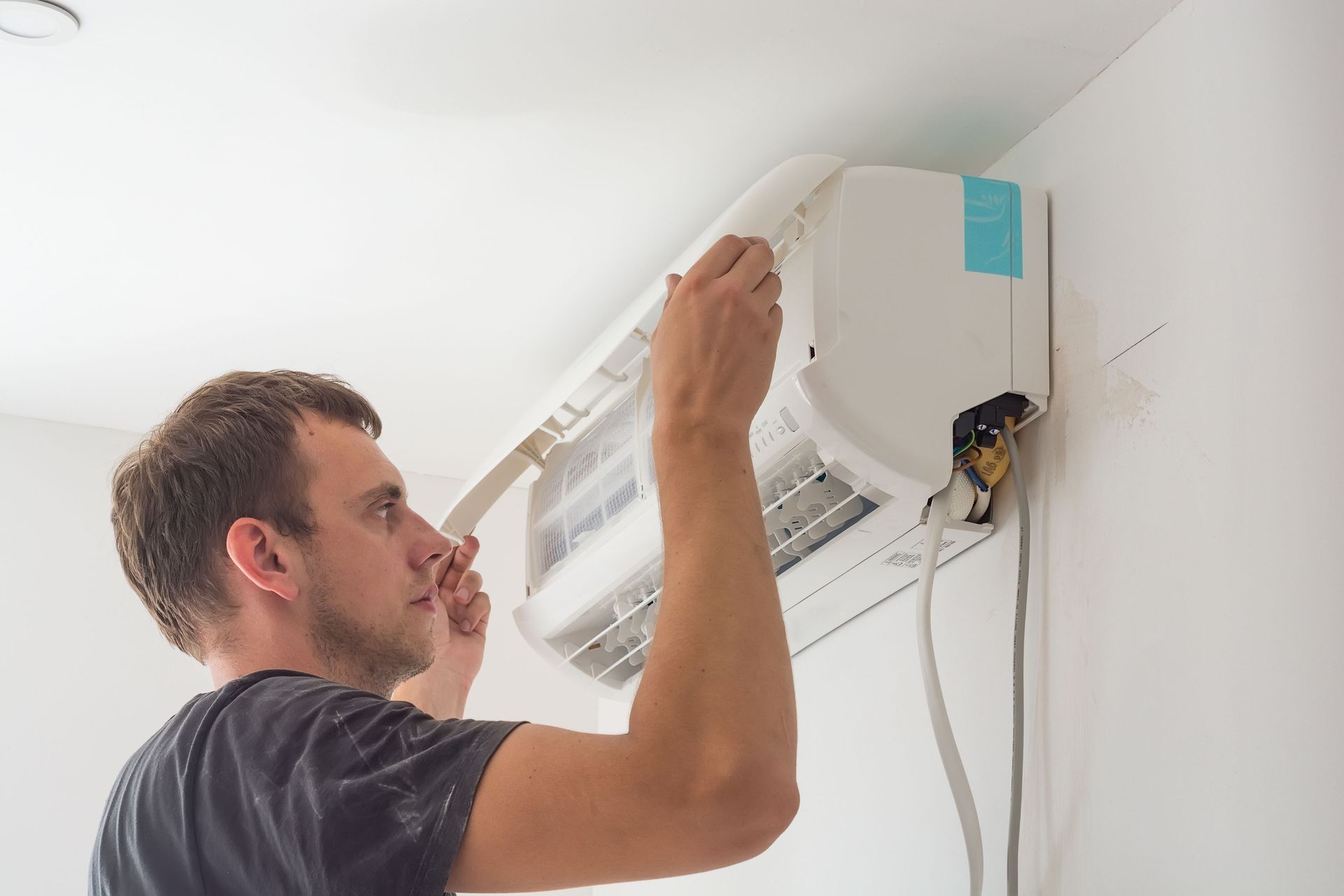
Homeowners can take some initial steps before contacting an HVAC technician. Checking air filters for clogs and ensuring vents are unobstructed can restore airflow and improve performance. Inspecting the electrical panel for tripped breakers or blown fuses can address power-related issues. Additionally, verifying thermostat settings ensures the system operates correctly. While these simple troubleshooting steps can resolve minor problems, homeowners should avoid attempting complex repairs themselves to prevent further damage and costly HVAC repairs.
These preliminary checks can save time and help the HVAC technician diagnose the issue more efficiently. Documenting any unusual noises, smells, or performance changes before the professional arrives provides valuable information for accurate assessment. While DIY troubleshooting is useful for minor issues, it’s important to recognize its limits. Relying on trained professionals for repairs ensures safety, preserves system integrity, and helps avoid more expensive HVAC repairs that could result from incorrect handling or incomplete fixes.
Selecting the Right HVAC Emergency Contractor
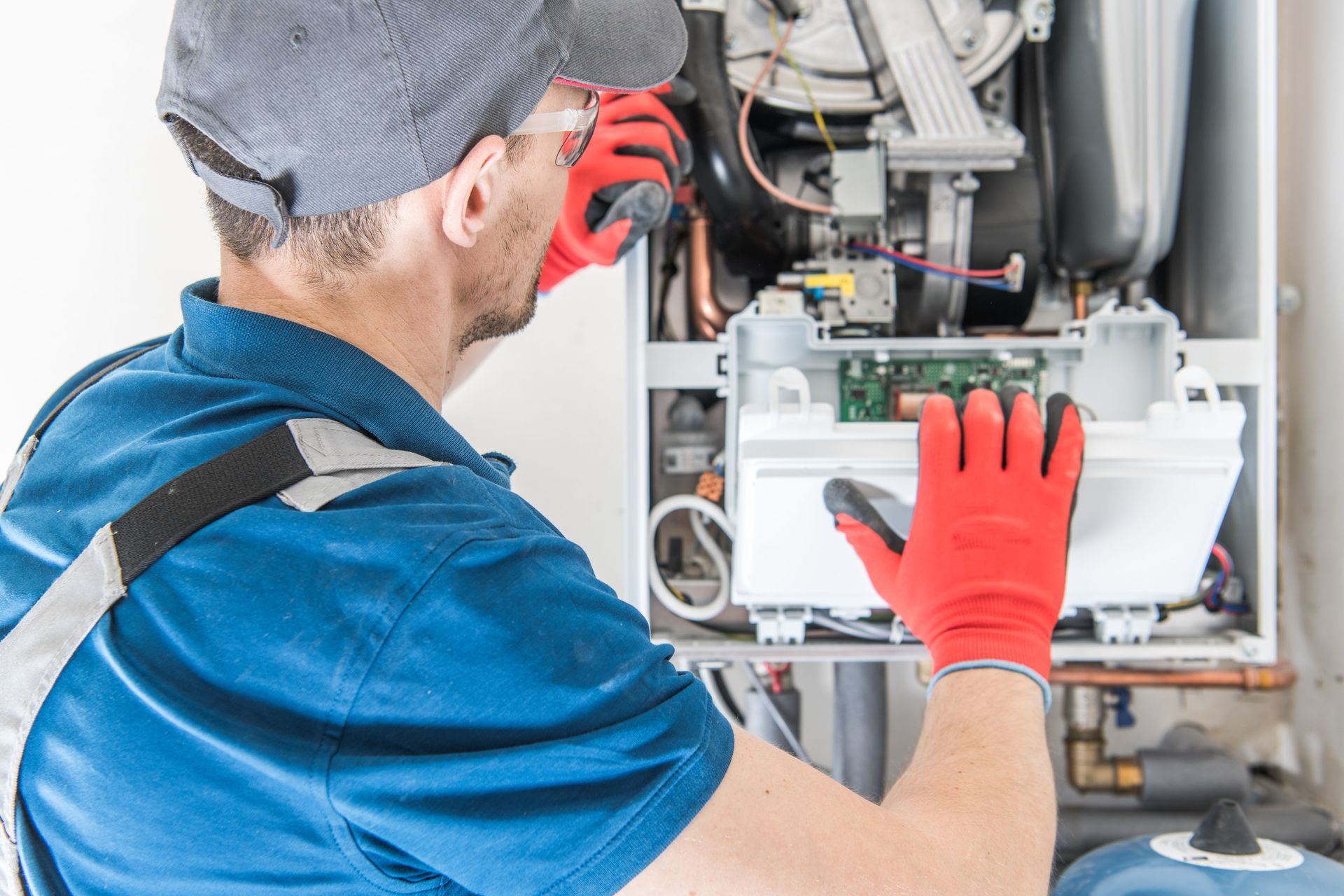
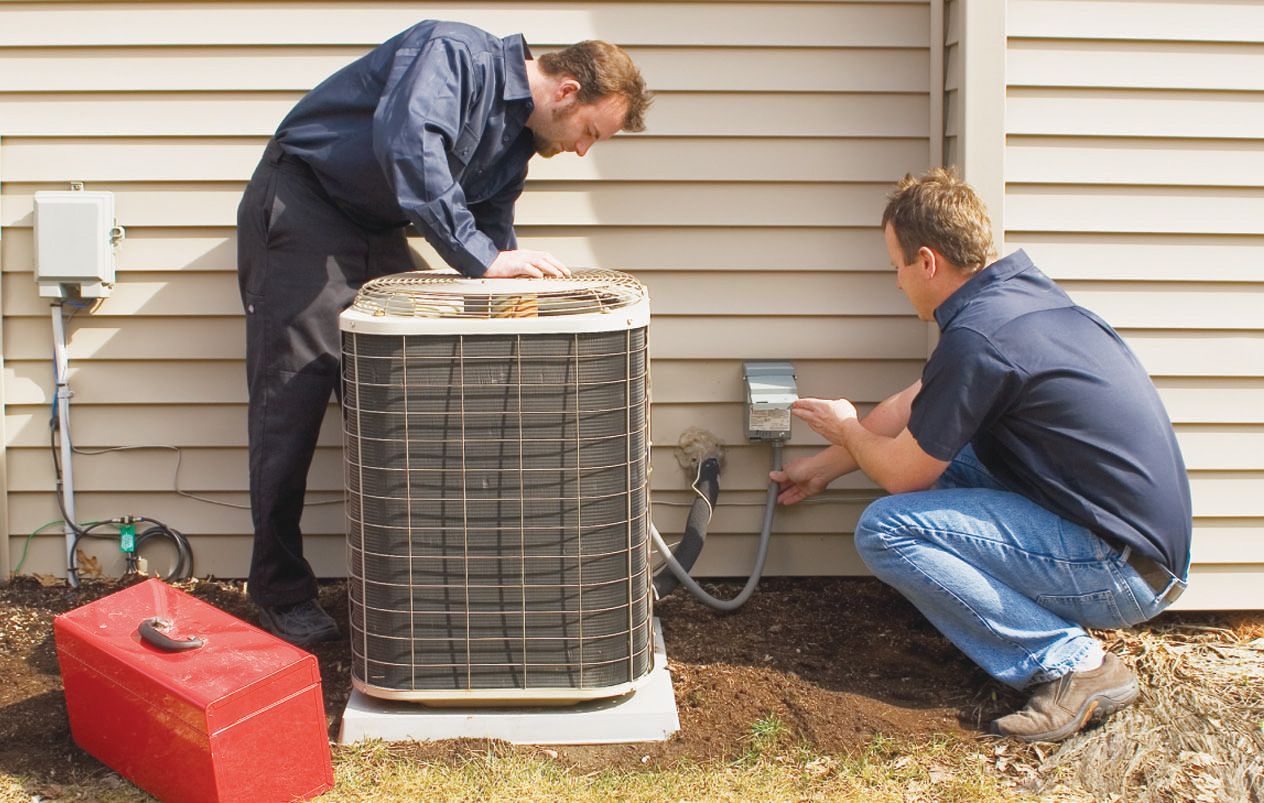
Choosing a qualified HVAC contractor is essential for effective and safe repairs. Homeowners should verify licenses and certifications to ensure contractors comply with safety standards. Experience and reputation are also critical; established professionals are more likely to diagnose problems accurately and provide reliable service. Service warranties and guarantees offer additional peace of mind, covering parts or labor for a specified period. Working with a reputable contractor ensures that necessary HVAC repairs are completed efficiently and safely.
Evaluating a contractor’s reviews and client testimonials can further ensure quality and reliability. Clear communication regarding costs, timelines, and the scope of work helps prevent misunderstandings. Homeowners should also confirm that the contractor has experience with their specific HVAC system type, as different models may require specialized knowledge. By selecting a qualified professional, homeowners not only secure effective HVAC repairs but also protect their investment and ensure the longevity and efficiency of their system..
Homeowners should also consider the availability and responsiveness of HVAC contractors, especially during emergencies. Contractors who offer prompt service and flexible scheduling can minimize downtime and prevent further damage to the system. Having a reliable point of contact ensures that urgent issues are addressed quickly, reducing stress and potential costs associated with prolonged malfunctions. Prioritizing contractors with strong customer service and emergency response capabilities adds an extra layer of protection and confidence when handling HVAC repairs.
Cost Considerations for Emergency Repairs
The cost of HVAC repairs depends on factors such as the complexity of the issue, the parts required, labor rates, system age, and location. Minor repairs, like replacing a thermostat, may cost significantly less than major fixes, such as compressor or ductwork replacements. Homeowners should consider setting aside funds in an emergency budget for these situations. Understanding potential costs helps homeowners plan financially and act quickly when urgent repairs are needed.
In addition to budgeting for specific repair costs, homeowners should also account for potential hidden expenses. These can include diagnostic fees, expedited service charges during peak seasons, or additional labor if multiple issues are discovered during the repair. Being financially prepared for these contingencies ensures that emergency HVAC repairs can be addressed promptly without added stress. Planning ahead not only provides peace of mind but also allows homeowners to secure timely service from reputable contractors, minimizing downtime and further damage to the system.
After completing emergency HVAC repairs, it is essential to establish a consistent maintenance routine to prevent future issues. Scheduling biannual inspections, cleaning or replacing filters, checking refrigerant levels, and inspecting ductwork can keep the system running efficiently. Regular maintenance helps identify minor problems before they escalate, reducing the likelihood of costly emergency HVAC repairs. By staying proactive, homeowners can extend the lifespan of their equipment, maintain energy efficiency, and ensure a comfortable indoor environment throughout the year.
Maintaining Your HVAC System After Repairs
Post-repair maintenance is crucial to prevent future issues and maximize system efficiency. Developing a regular schedule, typically twice a year, allows for inspection of key components, cleaning, and system testing. Seasonal inspections prepare the system for extreme temperatures, identifying worn parts or potential failures in advance. Energy efficiency improvements, such as programmable thermostats, sealing air leaks, and upgrading insulation, can reduce utility costs. Consistent upkeep ensures HVAC systems run smoothly and reduces the likelihood of additional emergency HVAC repairs.
Being informed about HVAC repairs enables homeowners to respond quickly, protect their investments, and maintain comfortable living conditions. By understanding system basics, identifying emergencies, performing basic troubleshooting, selecting qualified contractors, budgeting for repair costs, and adhering to maintenance schedules, homeowners can minimize disruptions and expenses. According to Today's Homeowner, regular inspections and upkeep significantly reduce the need for costly emergency interventions. For homeowners seeking reliable service and prompt assistance, contact All Seasons Heating & Cooling to ensure your HVAC system operates efficiently and effectively year-round.









Share On: