
10 Key Tips for a Smooth HVAC Installation
Upgrading or replacing a brand-new heating and cooling system in your home is a major project that directly impacts your daily comfort and indoor air quality. While getting a new unit set up sounds straightforward on paper, the physical work, timing, and preparation require careful coordination. Having realistic expectations about how the timeline unfolds, how your house needs to be set up beforehand, and how to choose qualified professionals makes the entire job proceed with minimal hassle. Taking proactive measures before the team arrives helps prevent common delays, protects your interior space, and guarantees your upgraded system delivers steady temperature control for years to come. Here are ten practical suggestions to help you prepare for your upcoming project without unnecessary stress.
1. Evaluate Your Home Heating and Cooling Demands
Every home presents a unique footprint that dictates how air flows, where heat collects, and how much energy is required to maintain a balanced indoor climate. Before scheduling any HVAC installation, a complete assessment of your square footage, insulation quality, window placement, and local climate patterns must be conducted. Simply replacing an old unit with an identical size can lead to performance issues if you have since modified your living space or improved your insulation. Accurate load calculations determine how hard a system needs to work during severe summer heat or freezing winter months. Investing time in this initial phase ensures your new unit is neither underpowered nor unnecessarily large, paving the way for consistent indoor comfort and efficient power consumption throughout the entire year.
2. Choose the Ideal System Format for Your Space
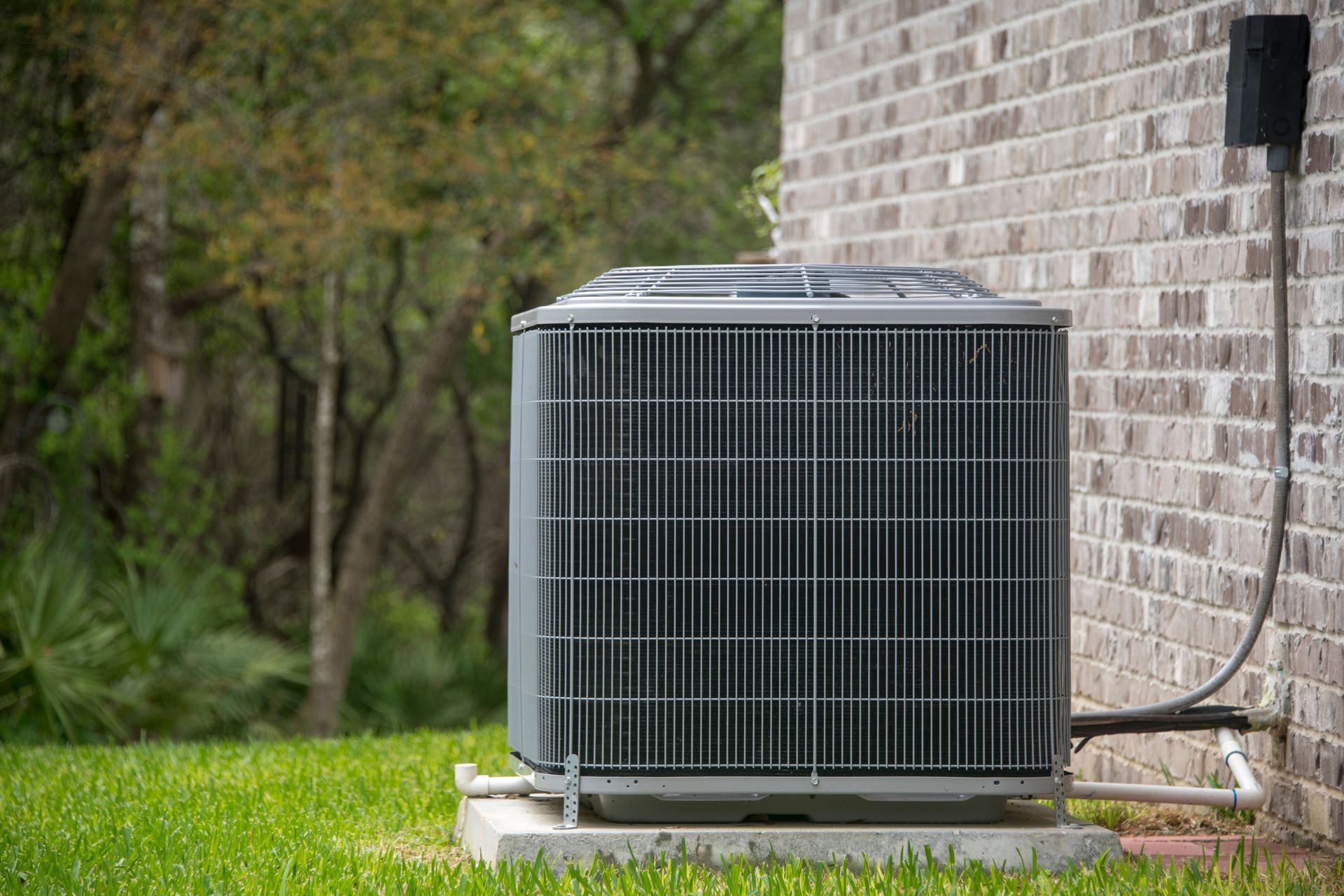
Modern climate control equipment comes in several configurations, ranging from traditional split systems and packaged units to flexible ductless mini-splits. Choosing the right style for your property depends on your layout, existing duct infrastructure, and heating preferences. Central units rely on network ducting to distribute conditioned air across multiple rooms simultaneously, while ductless setups allow pinpoint temperature adjustments in specific zones. Comparing operational noise, footprint size, and seasonal efficiency ratings allows you to match equipment characteristics to your lifestyle. Deciding on the appropriate format before finalizing your HVAC installation plans prevents costly structural adjustments later and ensures your new setup operates smoothly from day one.
3. Choose Qualified Contractors for the Project
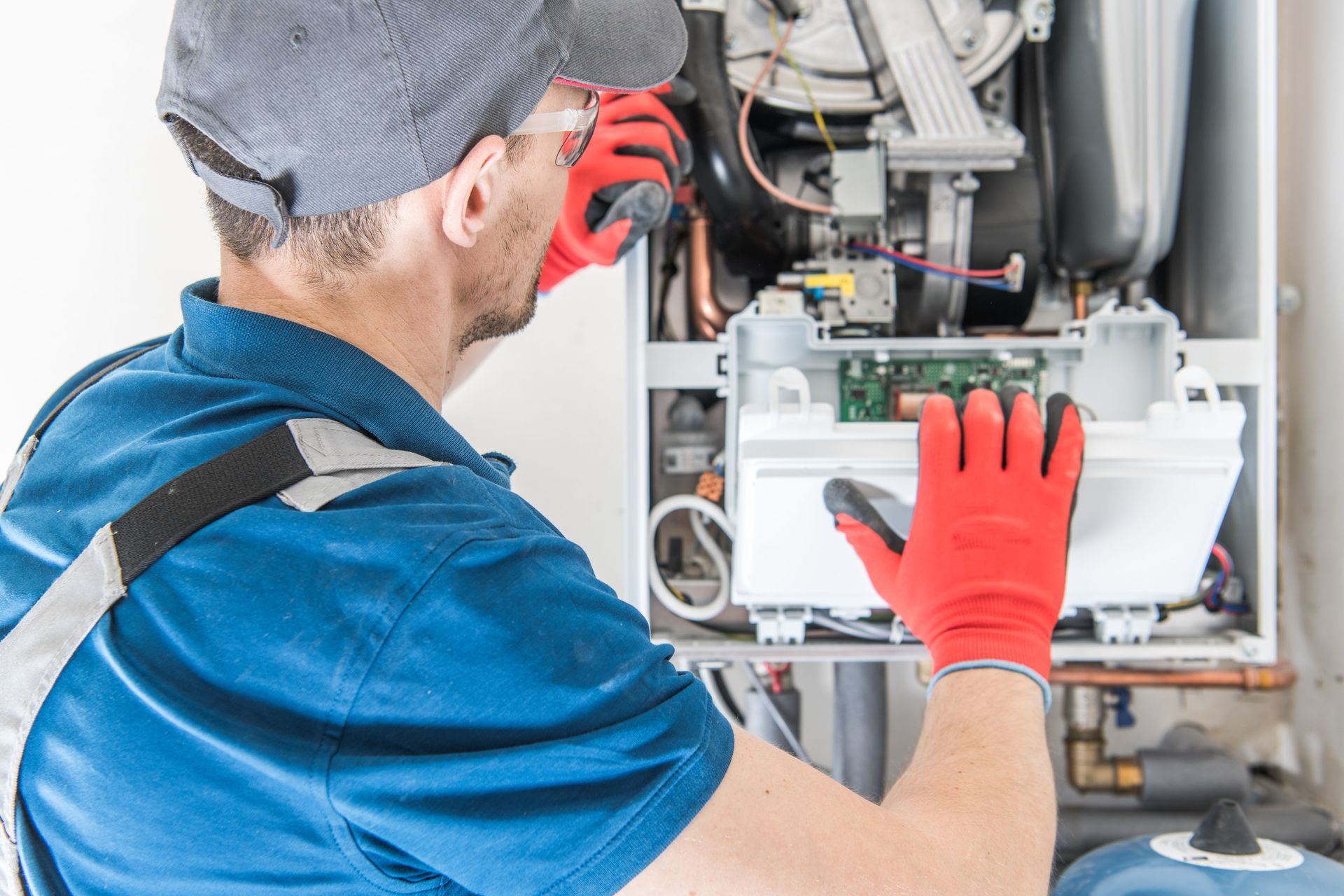
The performance and overall operational lifespan of modern heating and cooling equipment rely heavily on the quality of the physical setup. Partnering with licensed, insured, and certified industry professionals guarantees that all safety standards, local building codes, and manufacturer instructions are strictly followed during the HVAC installation. Professional technicians possess the technical knowledge, precise instruments, and hands-on experience required to handle refrigerant lines, high-voltage wiring, and complex air balancing. Requesting detailed written estimates, checking verified references, and confirming credentials upfront gives you complete peace of mind, ensuring the entire procedure is executed properly, safely, and cleanly without skipped steps or safety compromises.
4. Prepare Clear Access Routes and Work Zones
On the scheduled work day, technicians will need unhindered access to your basement, attic, utility closet, or exterior side yards. Clearing wide pathways through hallways, doorways, and outdoor walkways allows the crew to haul heavy machinery and tools safely without damaging your walls, floors, or outdoor landscaping. Removing personal items, fragile home décor, furniture, and storage boxes from the immediate work area creates a safer environment for everyone involved. Taking time to prepare these spaces in advance accelerates the timeline of the HVAC installation, enabling the crew to begin mechanical work immediately upon arrival rather than spending precious time shifting your personal belongings out of the way.
5. Verify Electrical and Power Supply Readiness
Modern, high-efficiency heating and cooling units often demand updated electrical infrastructure to operate safely and effectively. Older homes may feature outdated electrical panels, improper breaker sizes, or wiring that cannot support the power requirements of current equipment. During the planning phase of your HVAC installation, technicians must evaluate your main service panel to confirm it meets the voltage and amperage demands of the new machinery. Upgrading dedicated circuits, safety disconnect switches, or wiring layouts prior to placing the new unit prevents electrical trips, equipment damage, and unnecessary downtime, guaranteeing your updated climate control system runs smoothly and reliably.
6. Inspect and Upgrade Existing Ductwork Structures
Even the most advanced climate system will struggle to perform if attached to leaky, damaged, or improperly sized air ducts. Before attaching a new unit, having your entire duct network thoroughly inspected, cleaned, and sealed is vital for optimal airflow. Leaky joints allow air to escape into unconditioned attics or crawlspaces, forcing your system to run longer and work harder. According to Workyard, U.S. consumers spend $10B+ annually on HVAC repairs and maintenance. Taking the time to repair loose connections, replace collapsed flexible ducting, and add proper insulation around your air pathways during the HVAC installation maximizes efficiency and extends the operational lifespan of your mechanical components.
7. Establish Clear Timelines and Daily Schedules
Replacing or adding major home comfort machinery typically takes anywhere from a single afternoon to several full days, depending on system complexity and duct modifications. Establishing a clear schedule with your contractor ahead of time allows you to plan household activities, work commitments, and pet care accordingly. Understanding when power or temporary climate control will be turned off helps minimize daily household disruptions. Clear communication regarding daily start times, cleanup routines, and final testing procedures keeps the project moving according to schedule, making the entire HVAC installation experience organized and predictable for everyone living in the home.
8. Confirm Onsite Work Area Safety Precautions
Work areas containing heavy machinery, open electrical connections, sheet metal edges, and active tools present potential safety hazards for household members. Keeping children and pets safely away from the active installation area prevents accidental injuries and allows the crew to focus entirely on their work. Discussing safety protocols with your lead technician before work begins ensures everyone understands where equipment will be staged and which doors will remain open. Securing a clean, controlled environment throughout the HVAC installation protects your family members, safeguards your physical property, and supports a seamless, worry-free workflow from arrival to final cleanup.
9. Conduct Thorough Post-Installation System Inspections
Once all mechanical connections, electrical wiring, and duct hookups are complete, your technicians must perform a comprehensive startup audit. This procedure includes testing airflow velocities, measuring refrigerant pressure, checking thermostat responses, and verifying proper ventilation exhaust. Walking through these operational tests alongside your lead technician allows you to confirm that every room receives proper airflow and that the control panel operates correctly. A complete post-setup review guarantees that your HVAC installation meets strict quality guidelines, operates at peak efficiency, and is ready to deliver balanced heating or cooling immediately upon project completion.
10. Review Operational Guidelines and Maintenance Plans
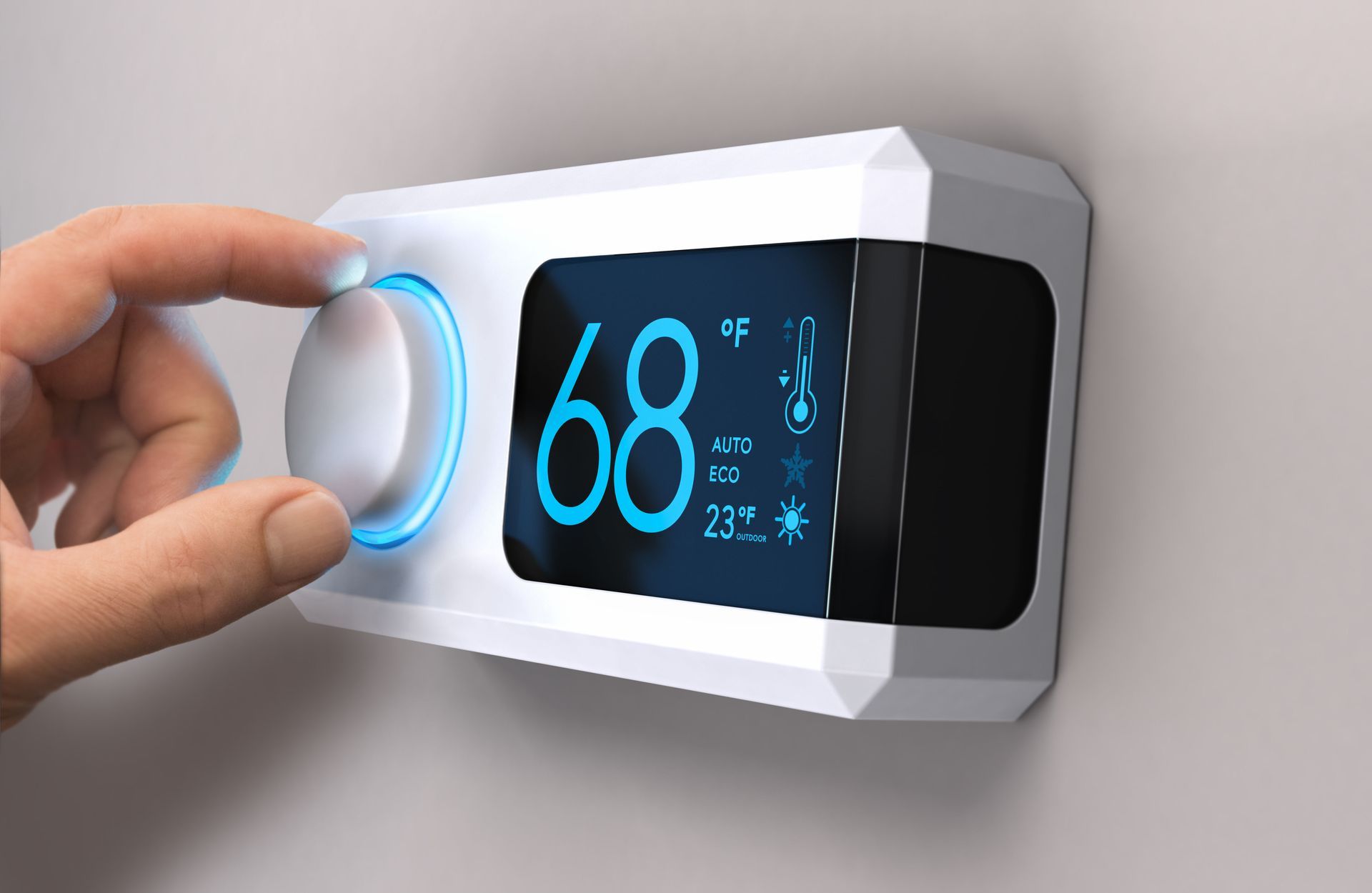
Before the crew leaves your property, take time to learn how to operate your new system efficiently and maintain its components. Request a thorough demonstration of your new thermostat settings, programmable schedules, and filter replacement procedures. Understanding how often to clean or swap out air filters prevents dust build-up, maintains high airflow, and keeps energy costs low over time. Enrolling in an annual maintenance program with qualified service professionals protects your investment, preserves manufacturer warranty coverage, and keeps your system performing quietly and reliably for years following your HVAC installation.
A successful equipment upgrade requires thoughtful planning, clear communication, and the support of experienced local professionals. By evaluating your home's air needs, preparing physical workspaces, addressing duct and electrical requirements, and establishing realistic daily timelines, you eliminate common stressors associated with major home improvements. Taking proactive steps ensures your new equipment operates at its full potential from the moment it is powered on. When you are ready to enhance your indoor comfort, turn to the experienced team at All Seasons Heating & Cooling to guide you through every step of your upcoming project with care, precision, and reliable service. Call us today.










Share On: