
Repair or Replace Your HVAC? The Key Factors Homeowners Should Compare
Deciding whether to continue fixing an aging climate control system or to invest in a brand-new installation is one of the most significant financial choices a property owner will face. As mechanical components age, they naturally lose their ability to regulate indoor temperatures effectively, leading to a steady decline in daily household comfort. While a quick repair might seem like the most affordable path forward today, the cumulative cost of repeated service calls can quickly exceed the price of a modern upgrade. Homeowners must balance the immediate need for a functional system with the long-term goals of energy efficiency and operational reliability.
Understanding the lifecycle of your heating and cooling equipment allows you to make a proactive decision rather than waiting for a total system failure during a heatwave. By evaluating the age, frequency of repairs, and rising utility costs associated with your current unit, you can determine which path offers the best value. This guide is designed to provide you with a clear framework for comparing your options and selecting the most sustainable solution for your home. Ultimately, the goal is to ensure your living space remains a sanctuary of comfort regardless of the external weather conditions.
Evaluating the Age and Expected Lifespan of Your Current Unit
The primary factor in any mechanical evaluation is the chronological age of the equipment compared to its projected operational life. Most modern systems are designed to provide reliable service for a specific window of time before the internal components begin to experience significant structural fatigue. According to This Old House, a typical HVAC system can last up to 20 years if it is properly maintained throughout its life. However, once a unit crosses the fifteen-year threshold, the probability of a major component failure increases exponentially with each passing season.
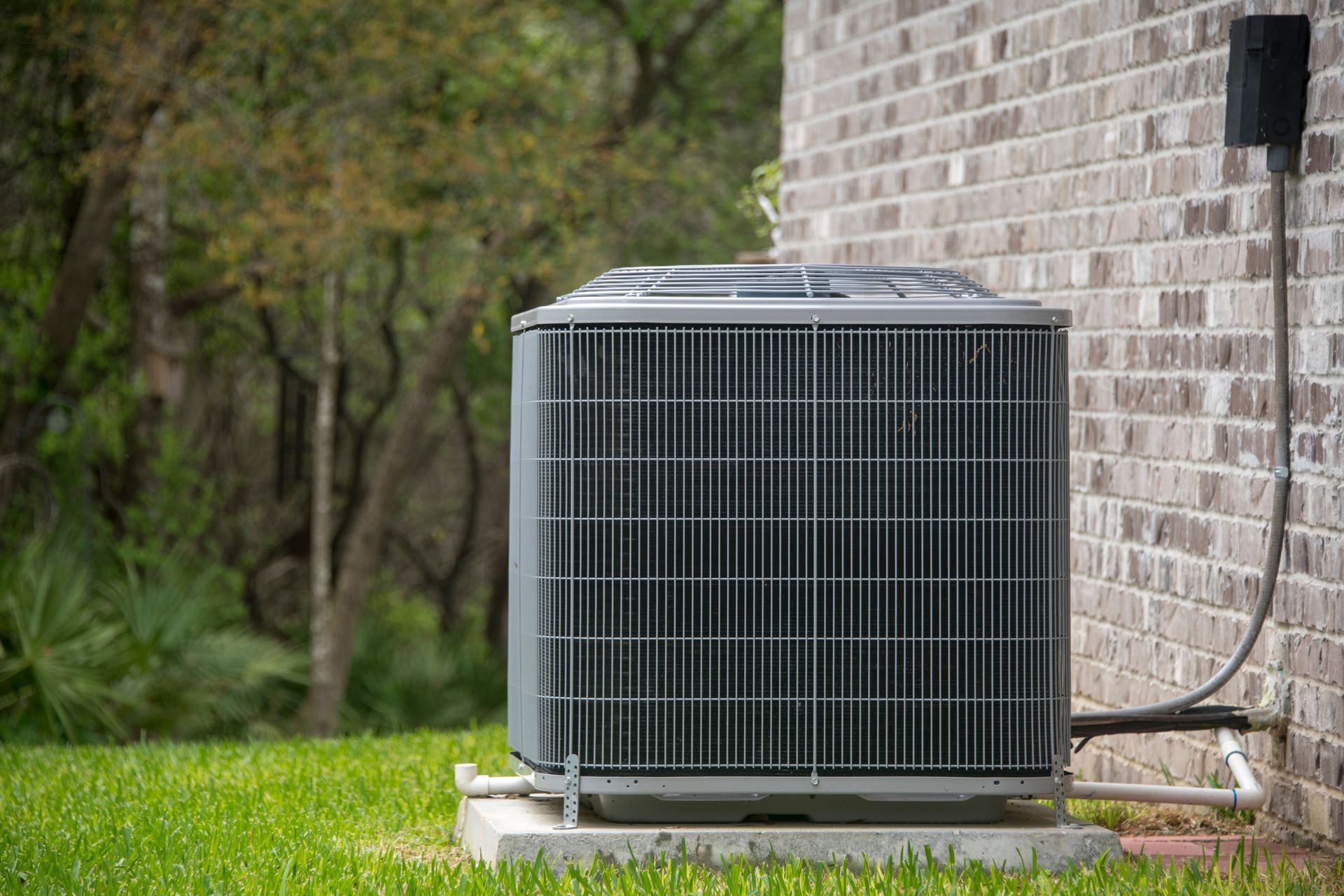
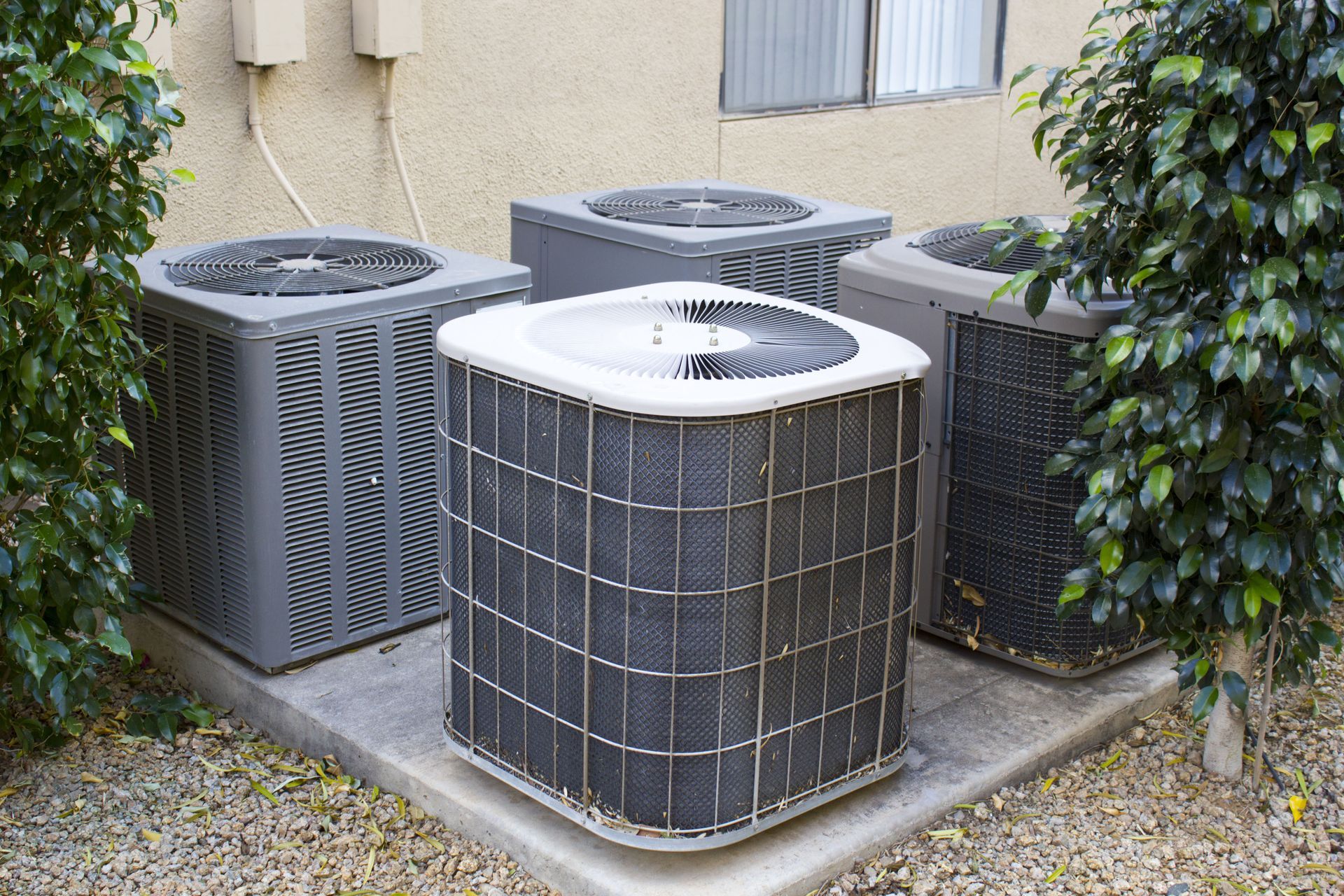
Even if the system is still running, older units often lack the advanced technology found in a new HVAC replacement that significantly improves air quality. Monitoring the age of your system allows you to plan for a transition before an emergency situation forces your hand. When a unit reaches the end of its natural life, even the best maintenance can no longer prevent the inevitable decline in thermal performance. Recognizing when your equipment has fulfilled its purpose is the first step toward reclaiming your home's energy efficiency.
Calculating the Cumulative Costs of Frequent Mechanical Repairs
One of the most obvious signs that your climate control system is failing is a sudden increase in the frequency of professional service visits. If you find yourself calling a technician multiple times a year for minor fixes, those individual invoices are likely masking a deeper, more systemic problem. A common rule of thumb is that if a single repair costs more than fifty percent of the total value of the system, it is time to move on.
Choosing to do a HVAC replacement instead of a costly compressor or heat exchanger repair is often the more fiscally responsible choice for the long term. These frequent breakdowns not only drain your bank account but also create a sense of persistent anxiety regarding the reliability of your home’s infrastructure. Investing in new equipment provides the immediate benefit of a fresh manufacturer’s warranty, which protects you from unexpected costs for several years. Reducing your reliance on emergency repairs allows you to allocate your household budget toward more productive home improvements. Consistent performance is a hallmark of a healthy system, and a lack thereof is a clear signal to explore your upgrade options.
Comparing Monthly Utility Bills and Overall Energy Consumption
Aging heating and cooling units must work significantly harder than newer models to achieve the same indoor temperature setpoints. Over time, the internal motors and compressors lose their efficiency, resulting in a steady climb in your monthly electricity or gas consumption. If your utility bills are rising despite your usage habits remaining the same, your old system is likely the primary culprit. A modern HVAC replacement offers much higher seasonal energy efficiency ratings than units manufactured even a decade ago.
These technological advancements mean that a new installation can often pay for itself over time through reduced monthly operational costs. Furthermore, high-efficiency systems are better for the environment, as they require fewer natural resources to keep your home comfortable. Analyzing your utility history over the past three years can provide a clear picture of just how much your aging unit is costing you in waste. Transitioning to a more efficient model ensures that your hard-earned money is spent on comfort rather than on an overworked and outdated motor.
Assessing the Consistency of Indoor Air Quality and Comfort
Beyond the financial considerations, the primary purpose of your climate control system is to maintain a healthy and pleasant living environment for your family. An aging unit often struggles to manage humidity levels effectively, leading to a home that feels clammy in the summer or excessively dry in the winter. You might also notice that certain rooms in your house are significantly warmer or cooler than others, indicating that the system can no longer distribute air evenly.
Choosing a professional HVAC replacement allows you to integrate advanced filtration and humidity control features that were not available in older designs. These improvements are particularly beneficial for household members who suffer from seasonal allergies or respiratory sensitivities. Modern variable-speed blowers provide a more consistent flow of air, eliminating the hot and cold spots that often plague older residential properties. If your home no longer feels like a sanctuary of comfort, the issue may lie deep within your aging mechanical infrastructure. Restoring the balance of your indoor environment is a vital component of maintaining a high quality of life for everyone under your roof.
Reviewing the Availability and Cost of Replacement Parts
As technology progresses, manufacturers eventually phase out the production of components for older models, making repairs increasingly difficult and expensive. If your system relies on an outdated refrigerant that is no longer being produced, a simple recharge can become an astronomical expense. When parts become scarce, the wait times for repairs can extend from a few hours to several weeks, leaving your home uncomfortable during peak weather. Opting for a timely HVAC replacement ensures that your home is equipped with a system that uses widely available and eco-friendly components.
Newer systems are also designed with modularity in mind, making it easier and faster for technicians to perform routine service in the future. Relying on a system with obsolete parts is a risky strategy that can leave you stranded when you need climate control the most. Professional contractors can advise you on the current status of your unit’s specific components and whether they are still supported by the original manufacturer. Moving toward a current platform provides you with the logistical security that comes with modern industrial support and part availability.
It signals to buyers that the home has been meticulously maintained and that they will enjoy low utility costs and reliable comfort. In many cases, the cost of a new installation is largely recovered during the sale of the property through increased buyer interest and stronger offers. Home inspectors pay close attention to the age and health of the furnace and air conditioner, and a new system removes a significant hurdle from their report. Providing a turnkey living experience is one of the best ways to stand out in a competitive real estate market. Investing in your home’s infrastructure today creates a more attractive and marketable asset for the future. Ensure your home stays comfortable in every season by contacting All Seasons Heating & Cooling today for an expert consultation on your HVAC replacement and energy efficiency needs.







Share On: